Home / Blog Details
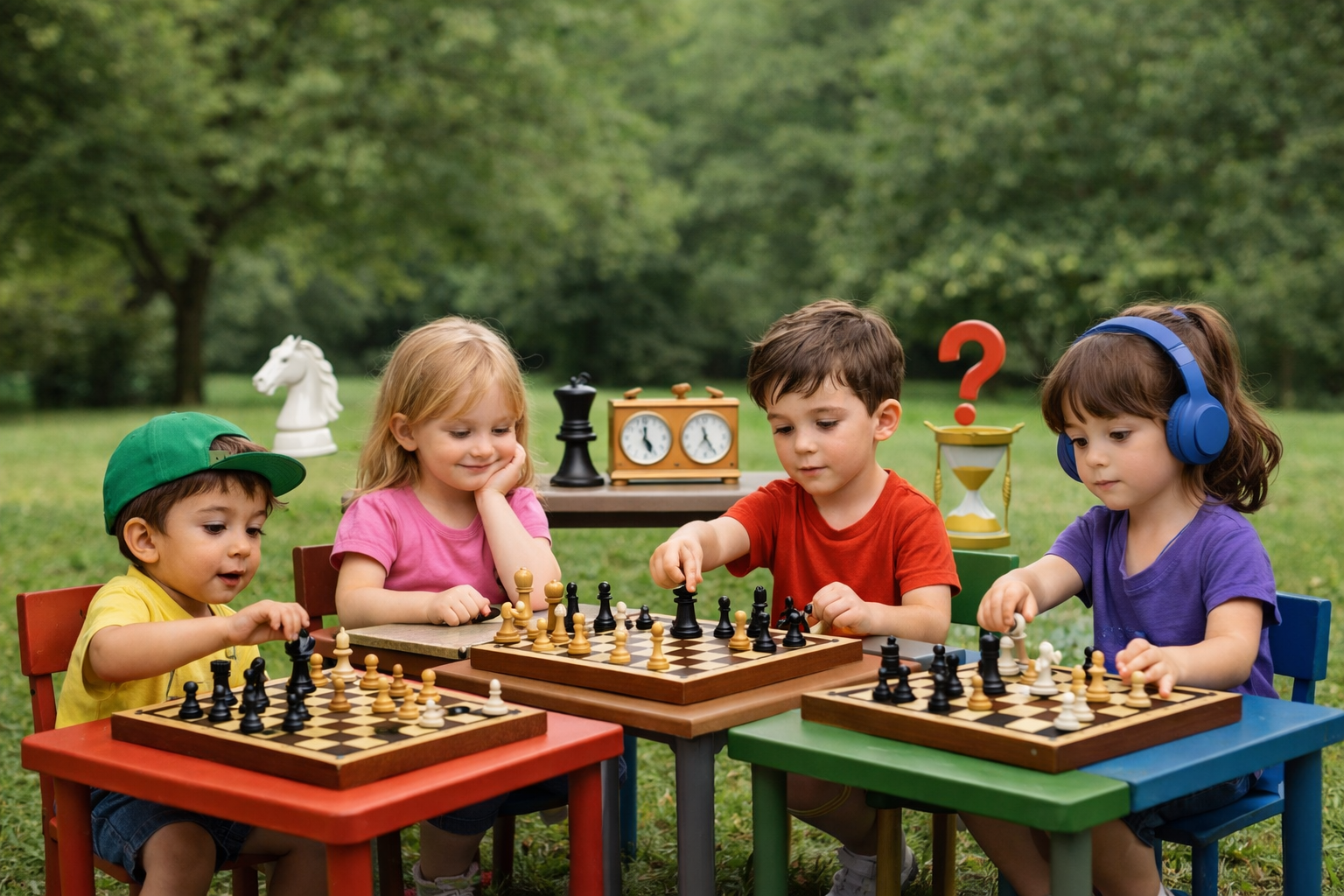
In today’s digital world, many parents are searching for activities that help children develop focus, patience, and strong thinking skills. While video games and social media often dominate a child’s attention, chess offers something very different — a game that trains the brain while keeping kids engaged.
But many parents ask the same question before introducing chess to their child:
At What Age Should Kids Begin Playing Chess?
The answer may surprise you.
There isn’t a specific age that is considered the perfect time for someone to begin learning chess. Children develop at different speeds, and interest often matters more than age.
However, most educators and chess coaches agree that children can begin understanding the basic rules of chess around 5 to 7 years old. At this stage, kids are better able to recognize patterns, follow instructions, and think a few steps ahead — skills that make learning chess easier and more enjoyable.
That said, some children show curiosity about chess even earlier, especially if they are introduced to the game in a fun and playful way.
Yes. Some children can start learning the basics of chess as early as 4 years old. At this age, learning should focus on simple ideas such as recognizing the chess pieces, understanding how they move, and enjoying the game rather than mastering strategy.
The most important thing is to make the learning process enjoyable and free from pressure. Short sessions, puzzle-style learning, and interactive teaching methods can help younger children develop an interest in the game.
As they grow older, their ability to understand deeper strategies improves naturally.
Introducing chess at a young age offers several long-term benefits that go beyond the chessboard.
Chess requires children to think carefully before making a move. Over time, this habit strengthens their ability to focus — a skill that also helps in school and everyday learning.
Every chess position is like a puzzle. Children learn how to analyze situations, consider multiple possibilities, and make thoughtful decisions.
Unlike fast-paced games, chess rewards patience. Kids gradually learn that planning and careful thinking lead to better results.
Remembering patterns, openings, and tactics improves a child’s memory and strategic thinking abilities.
These skills are valuable not only in chess but also in academics and real-life decision-making.
Parents often wonder whether their child is ready to start learning chess. Some common signs include:
If your child shows even a few of these signs, it may be a great time to introduce them to chess.
Starting chess does not need to be complicated. Parents can begin by showing how each piece moves and playing small practice games together.
Using visual learning tools, chess puzzles, and beginner-friendly lessons can make the learning process easier and more enjoyable for children.
Many parents also find that structured guidance from experienced coaches helps children build strong fundamentals faster. A supportive learning environment can make a big difference in keeping kids motivated and engaged.
Platforms like Zoro Chess Academy, for example, focus on beginner-friendly online training that introduces children to chess through interactive lessons, structured guidance, and step-by-step skill development. When learning is designed specifically for young minds, children often gain confidence much more quickly.
While children can be introduced to chess as early as 4 years old, most kids begin learning the game more effectively between 5 and 7 years of age. At this stage, they have the cognitive ability to understand rules, recognize patterns, and enjoy strategic thinking.
More importantly, chess is not just about winning games. It helps children develop patience, problem-solving skills, and a mindset that values thoughtful decision-making.
If your child shows curiosity about the game, that curiosity itself may be the best sign that it’s time to begin their chess journey.
After all, the earlier children learn to think strategically, the stronger those skills become for life.
Most children can start learning chess effectively between 5 and 7 years old. At this age, they can understand the rules, recognize patterns, and begin thinking strategically. However, some children can be introduced to the basics as early as 4 years old through fun and interactive learning.
Yes, a 4-year-old can start learning the basics of chess. At this stage, learning should focus on recognizing pieces, understanding how they move, and playing simple practice games. The goal is to make chess enjoyable rather than focusing on complex strategies.
Yes. Chess is known to improve critical thinking, memory, concentration, and problem-solving skills in children. Regular practice encourages kids to think ahead, analyze situations, and make thoughtful decisions.
Children can usually understand the basic rules of chess within a few weeks. However, developing stronger strategies and skills takes regular practice and guided learning over time.
Yes, online chess classes can be very effective for kids. Structured lessons, interactive coaching, and guided practice help children learn faster while keeping them engaged. Many parents choose online training because it offers flexibility and access to experienced chess coaches.